Every “bright” industry may have a shadow side that data points often miss.
Electric Vehicles (EVs) have surged in popularity since the turn of the millennium. Driven by lower energy costs and the global demand for clean power, EVs appeared to be the ultimate alternative to internal combustion engines. Even traditional manufacturers have pivoted their entire operations to capture this rising market. However, behind the polished marketing of this “shining” concept lies a more complex, and at times, darker reality. In this article, I will share my personal EV experience, my decision-making process, and how a strategic choice transformed into a long-lasting disaster.
The Rise of the EV Industry
When my 15-year-old vehicle reached the end of its life, my family faced a logistical challenge. With a daily commute to manage, I began researching a replacement. It was impossible to ignore the industry’s momentum and vibe. According to the IEA Global EV Outlook 2023, over 26 million electric cars were on the road in 2022—a 60% increase from the previous year.
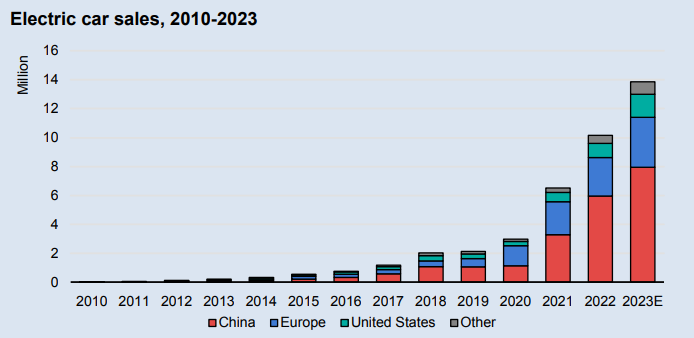
The report’s trajectory was clear: “The outlook for electric cars is bright.” Yet, a question began to linger: Could a technology backed by billions in investment and trusted global brands still include fundamental risks? I now have the answer: Yes, it can.
The Decision Making Process
I approached the purchase with analytical diligence. After reviewing several brands, I developed a weighted decision matrix to evaluate trade-offs (a methodology I will explore in future articles). I also consulted experienced owners to validate my thoughts. At the end, I selected a Hyundai Kona Electric, provided it met these strict criteria:
- Past: Must be HPI clear.
- Usage: Fewer than 50,000 miles.
- Age: Less than four years old.
- Security: Full Hyundai Warranty.
- Source: Official Hyundai Dealers only.
- Financing: Available flexible options.
- Budget: Within a predefined price range.
The Incident
At 14:50, following my final office meeting, I hurried to pick up my son. I took my usual route, entering the Sainsbury’s car park at 15:10.

Though typically crowded during school hours, the car park was unusually empty. I selected a bay near the wall and began to maneuver. Suddenly, the vehicle accelerated unintentionally. Despite my immediate attempts to regain control, the car struck the wall, continued forward, and eventually came to a halt after a second impact. The force was enough to deploy the airbags.
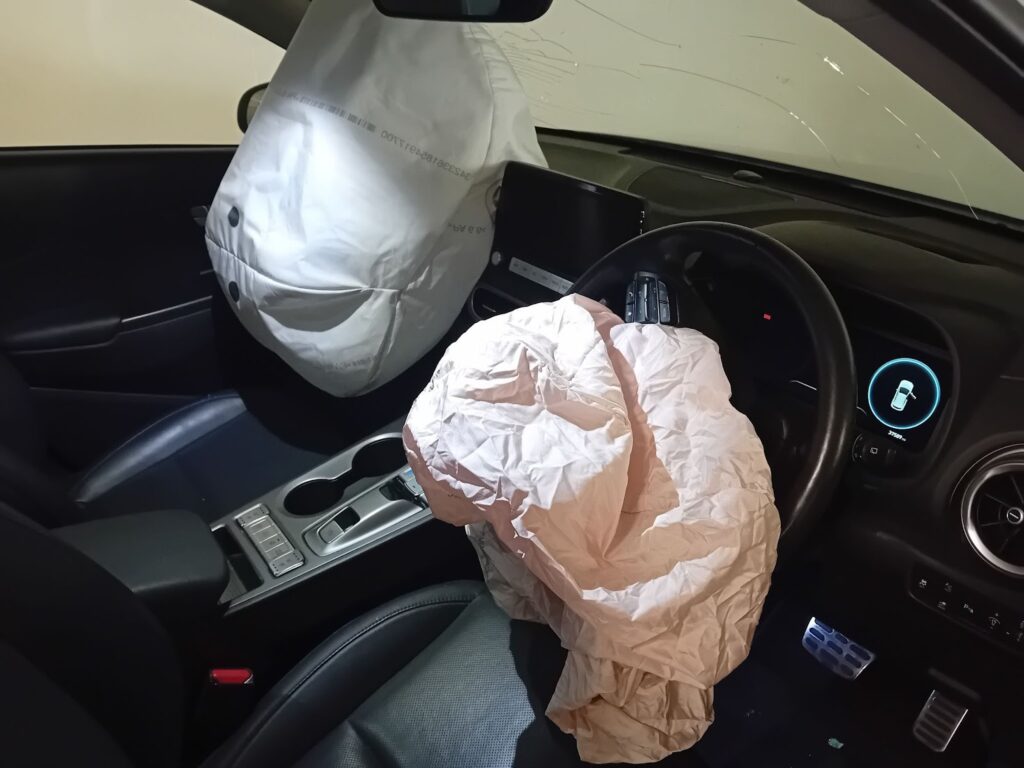
In seconds, I was surrounded by smoke and the smell of deployed pyrotechnics. Two witnesses approached to check on me; I was in shock, struggling to process how a routine maneuver had escalated into a total loss.
The Reality Check
Later that day, as a recovery specialist loaded the car onto his truck, I asked a simple question: “Have you seen this before?”
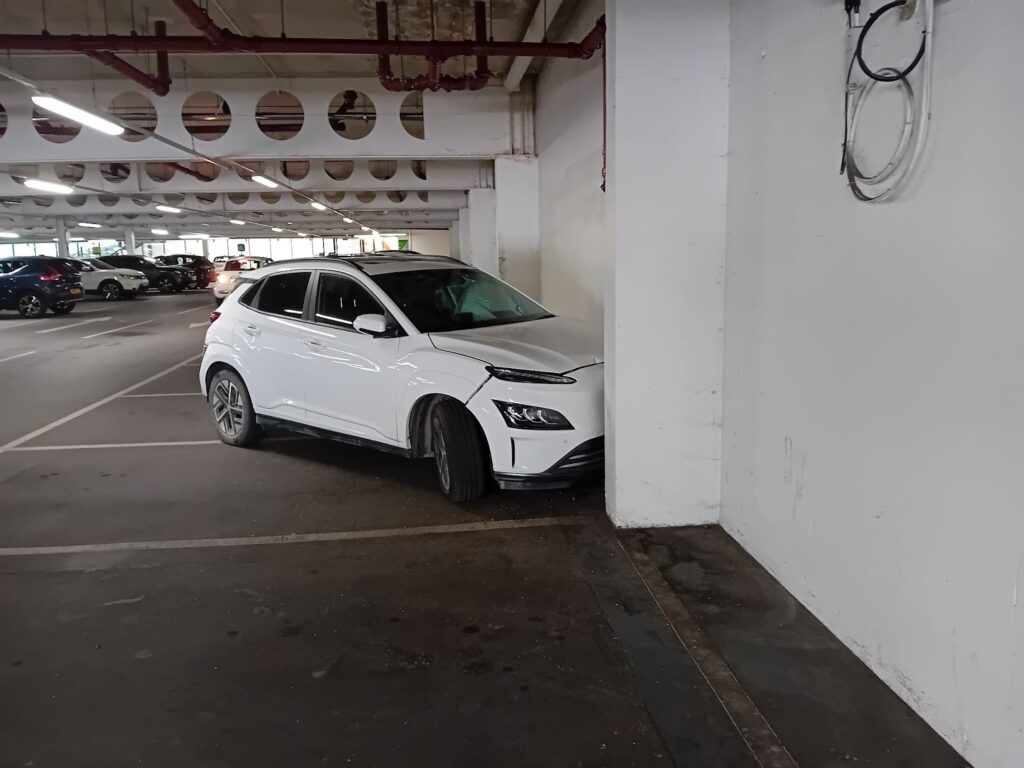
He asked quietly: “What happened to this one?” I explained the sudden, uncontrollable acceleration. He looked, unsurprised then said:
“This happens more often than companies admit. I recovered another EV yesterday for the exact same thing. It happens to other brands, too.”
This revelation inverted the “modern safety” story I had bought into. Further confirmation came from my neighbors: just 600 yards from my house, another EV had accelerated through two garden walls the previous week.
The Inspection: A Case of Systematic Dismissal
I contacted my insurer, the police, and Hyundai, providing a transparent account of the event. A local Hyundai dealer inspected the car but claimed no fault was found.
Their explanation was a masterclass in corporate gatekeeping: They stated that the SRS (Supplement Restraint System) module captures sensor data—accelerator and brake values at the time of impact—but this data can only be read by the factory in a process that could take several months.
I requested evidence to support this claim. My ask was simple: if I had made a mistake, I wanted to see the data. Hyundai’s response was a brief termination of the case:
“We have closed our involvement in this matter.”
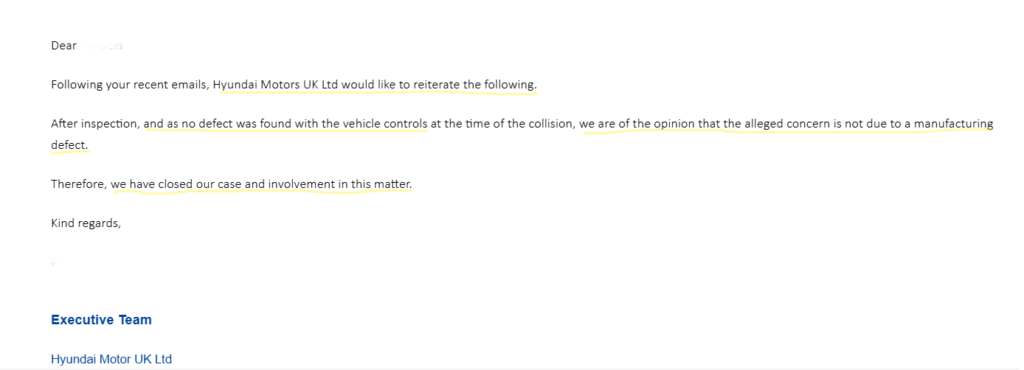
Ultimately, I am grateful that the cost of this failure was only mechanical, not human. I will remain mindful of the hard lesson Hyundai taught me: in the world of EVs, trust must always be verified by data and insight.
Key Takeaways for EV Buyers
- Question the Software: Never assume a digital system is perfect; software failures are silent but dangerous.
- Look Beyond the Hype: Every “bright” industry has a shadow side that data points often miss.
- Verify the Support Chain: A brand’s reputation is only as good as its willingness to share data and help when things go wrong.
- Consult the Practitioners: Talk to recovery experts and technicians; they see the reality that sales teams are keen to ignore.
- Always Apply a Sanity Check: Never assume that “trusted” means “fail-safe.”
References
- International Energy Agency. (2023). Global EV Outlook 2023: Catching up with ambitions. OECD Publishing.https://doi.org/10.1787/cbe724e8-en

Timucin Tasdemir, M.Sc.
Decisions aren’t found. They’re built.
I write about decision-making, cognitive biases, and decision architecture at Decision Eye. Most poor decisions come not from a lack of intelligence, but from a lack of structure.
Disclaimer: The views and opinions expressed in this article are solely my own and do not reflect the official policy or position of any past, present, or future employer or affiliated organisation. This content is intended for informational and educational purposes only and does not constitute professional advice.
Leave a Reply